Recovery Timeline After Knee Surgery: Insights From an Experienced Knee Surgeon
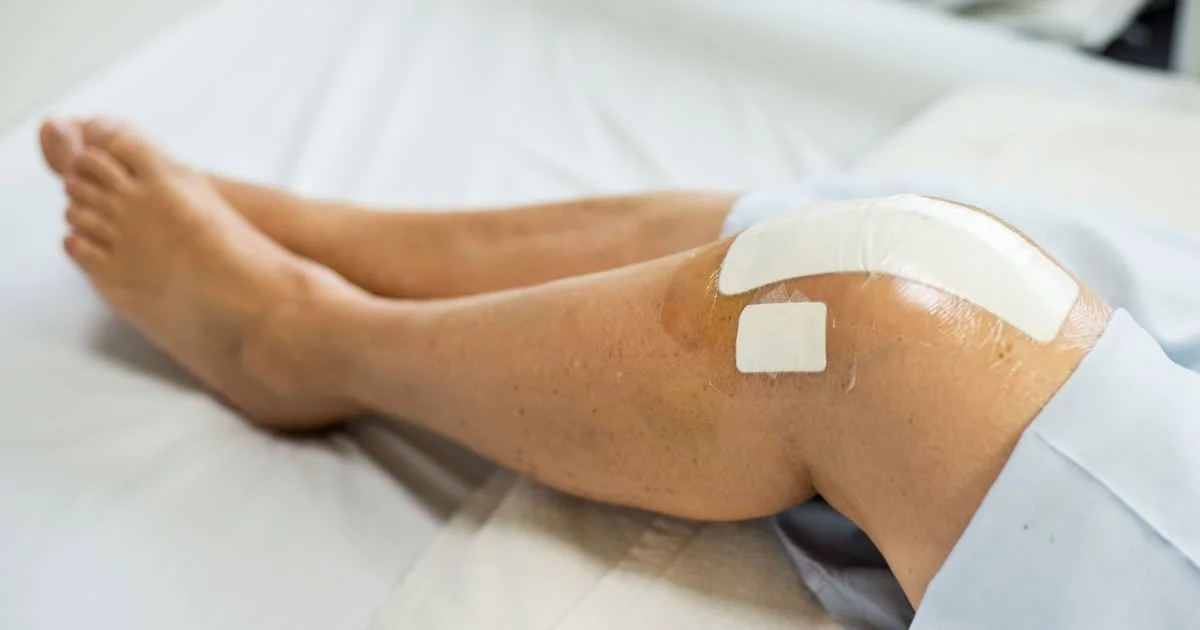
One of the most common questions patients ask before knee surgery is simple and reasonable:
“How long will my recovery take?”
The answer is that recovery after knee surgery is not the same for everyone. It depends on the type of procedure, the condition of the knee before surgery, overall health, work demands, and how closely rehabilitation is followed. Some people recover quickly and smoothly, while others need more time to rebuild strength and confidence.
What matters most is understanding what recovery usually looks like, what milestones are realistic, and how to support the knee at each stage. Below is a clear overview of recovery timelines after common knee procedures, based on typical clinical experience.
What Recovery Really Means
Recovery is not just about wound healing. It involves:
Reducing pain and swelling
Regaining movement
Rebuilding muscle strength
Restoring balance and confidence
Returning safely to work, exercise, and daily activities
Most recovery happens gradually. Progress is often measured in weeks and months rather than days.
The First Two Weeks: Early Recovery
The first fortnight after knee surgery focuses on settling the knee and protecting the surgical area.
During this time, patients can expect:
Swelling and stiffness
Some discomfort, which is managed with medication and ice
Limited mobility, depending on the procedure
Use of crutches or walking aids if required
Physiotherapy usually begins early to encourage gentle movement and prevent stiffness. Patients are guided on safe walking, basic exercises, and caring for the surgical site.
Rest, elevation, and following instructions closely during this phase make a meaningful difference to recovery. During the first few weeks following surgery, it is important not to overdo things as it can increase swelling and cause more pain.
Weeks Two to Six: Building Movement and Strength
As swelling reduces, movement becomes easier. This phase focuses on regaining control of the knee and rebuilding muscle strength.
Many patients notice:
Improved range of motion
Reduced reliance on pain medication
Gradual return to normal walking
Improved confidence with daily tasks
Physiotherapy becomes more active during this period. Exercises are progressed carefully to strengthen the muscles that support the knee, particularly the quadriceps and hamstrings.
For people with desk-based jobs, returning to work may be possible within this timeframe, depending on comfort and mobility.
Six Weeks to Three Months: Functional Recovery
By this stage, most patients are moving more comfortably and relying less on conscious effort to protect the knee.
During this phase:
Strength and balance continue to improve
Swelling becomes less frequent
Walking feels more natural
Light exercise may be reintroduced
Driving is often resumed if safe and comfortable
This is also when patients sometimes feel impatient. While the knee may feel better, it is still healing internally. Pushing too hard too early can slow progress.
Three to Six Months: Returning to Higher Demands
For more involved procedures such as ACL reconstruction or meniscus repair, recovery continues well beyond the early months.
At this stage:
Strength is increasing closer to pre-injury levels
More demanding exercises are introduced
Sports-specific training may begin
Confidence in the knee improves
This period is critical for active individuals. Returning to sport too early increases the risk of reinjury. Clearance is usually based on strength testing, movement quality, and stability rather than time alone.
Six Months and Beyond: Long-Term Recovery
Some knee surgeries require longer-term rehabilitation. Full recovery can continue for up to a year, especially after ligament reconstruction or knee replacement.
Patients may notice:
Continued improvement in endurance
Reduced stiffness with activity
Greater trust in the knee
Ongoing strength gains
Long-term success depends on consistent rehabilitation and maintaining knee strength even after formal physiotherapy ends.
Typical Recovery Timelines at a Glance
Knee arthroscopy
Early Mobility: 1–2 weeks
Return to Work: 2–4 weeks
Higher Activity: 6–8 weeks
Meniscus surgery
Early Mobility: 2–4 weeks
Return to Work: 3–6 weeks
Higher Activity: 3–4 months
ACL reconstruction
Early Mobility: 4–6 weeks
Return to Work: 6–8 weeks
Higher Activity: 9–12 months
Patella stabilisation
Early Mobility: 4–6 weeks
Return to Work: 6–8 weeks
Higher Activity: 6–9 months
Knee replacement
Early Mobility: 6–8 weeks
Return to Work: 8–12 weeks
Higher Activity: Ongoing improvement up to 12 months
These timelines are general guides. Individual recovery can vary.
Factors That Influence Recovery Speed
Several factors affect how quickly someone recovers from knee surgery:
The condition of the knee before surgery
Age and general health
Body weight
Commitment to physiotherapy
Smoking status
Work and activity demands
Patients who follow rehabilitation plans closely and allow adequate time for healing generally experience smoother recoveries.
Pain and Swelling During Recovery
Some discomfort during recovery is expected. Swelling can come and go, especially after increased activity. This does not always mean something is wrong.
Helpful strategies include:
Ice after activity
Elevating the leg
Pacing daily tasks
Listening to your body and reducing activity in accordance with your discomfort
Persistent or worsening pain should always be discussed with your surgeon or physiotherapist.
Returning to Work and Daily Life
Returning to work depends on the nature of your job. Office-based work often resumes earlier than physically demanding roles.
Mr Pai will consider:
Type of surgery
Job requirements
Strength and mobility
Safety at work
Gradual return plans are often helpful, especially for manual or active occupations.
Why Following Rehabilitation Guidelines Matters
Rehabilitation is not optional. It is a central part of recovery. Surgery addresses the structural problem, but physiotherapy restores movement, strength, and function.
Skipping or rushing rehabilitation increases the risk of stiffness, weakness, and reinjury.
A Realistic View of Recovery
Recovery is rarely a straight line. There may be good weeks and slower weeks. Progress does not always feel obvious day to day, but it adds up over time.
Patients who understand this tend to feel more confident and less frustrated during the process.
About Mr Vishal Pai
Mr Vishal Pai is an experienced knee surgeon in Melbourne who treats a wide range of knee conditions, including ligament injuries, meniscus problems, osteoarthritis, and patella instability. He places strong emphasis on patient education and realistic recovery planning. Whether treatment involves knee arthroscopy, ligament reconstruction, joint replacement, or non-surgical care, his focus is on safe recovery, clear guidance, and long-term knee function.
If you are considering knee surgery or want to understand recovery expectations, a consultation with Mr Pai can help clarify the next steps.