What to Expect at Your First Consultation With a Knee Surgeon?
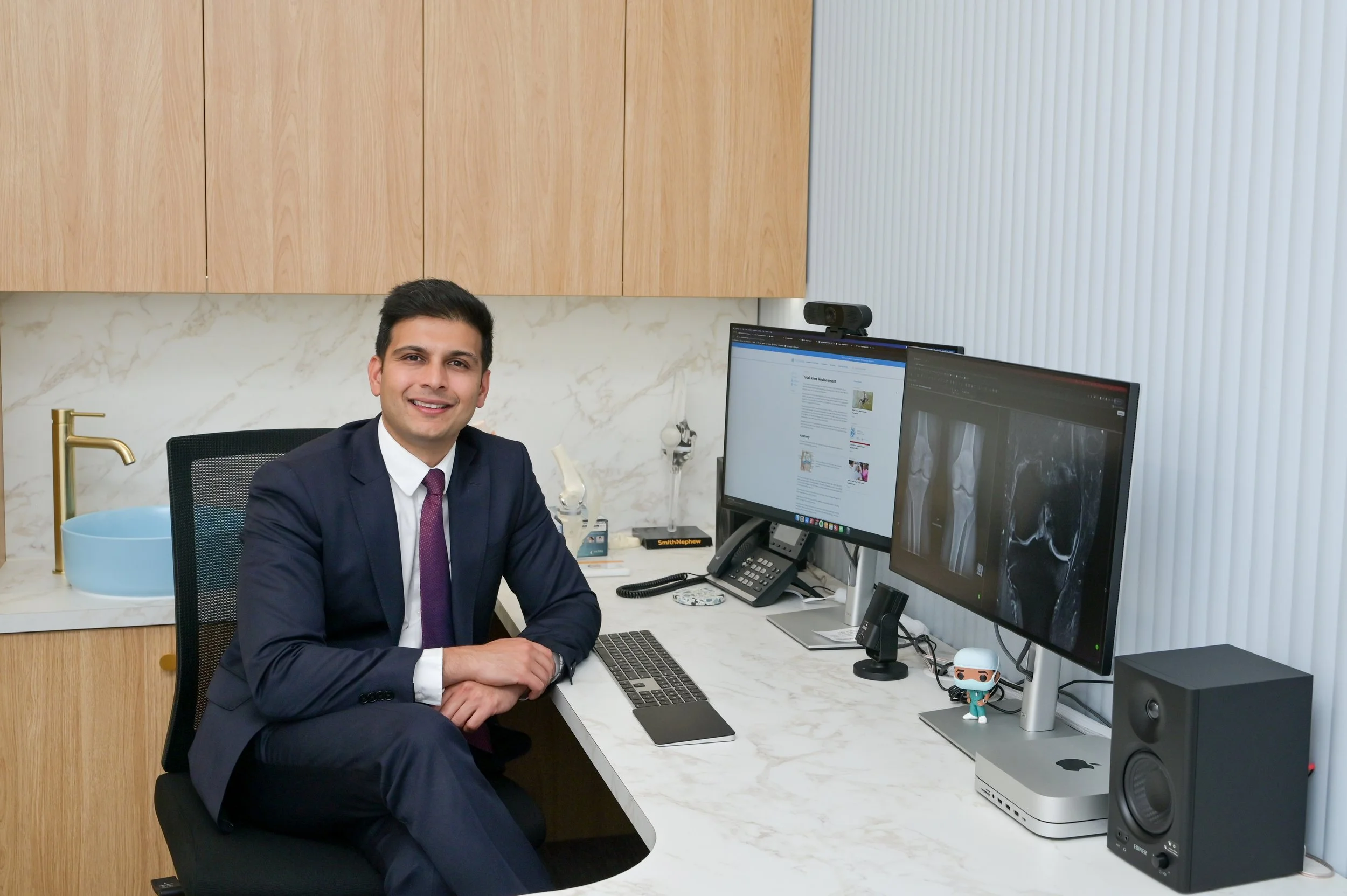
Seeing a knee surgeon for the first time can be daunting, particularly if knee pain or limited mobility has been affecting your day-to-day activities. Many patients attending their first consultation with a knee surgeon in Melbourne are unsure what the appointment will involve or what to prepare.
The purpose of the initial consultation is to identify the cause of symptoms and outline appropriate management steps.
Below are five common knee conditions that Mr Pai assesses and treats:
1. Initial Discussion
The consultation begins with a detailed discussion about your symptoms. There is no specific way the symptoms need to be described; even small details can be clinically useful.
Patients commonly report:
A traumatic event
Difficulty with stairs or squatting
Aching after activity
A sensation of instability
Clicking or catching
Reduced ability to walk long distances
Pain at night
This information helps Mr Pai build an accurate picture of the underlying issue.
2. Medical and Injury History
Mr Pai will also enquire about past medical history and relevant background, which may include:
Previous injuries
Manual or physically demanding work
Prior surgery
Arthritis or joint conditions
Medications
Sporting activity
These details are important in understanding contributing factors and selecting treatment options.
3. Physical Examination
A physical examination is performed to assess how the knee moves and responds.
This may involve checking:
Range of motion
Joint stability
Muscle strength
Swelling or tenderness
Walking pattern and posture
Patients are encouraged to mention discomfort during the examination, as this helps guide Mr Pai’s diagnosis.
4. Imaging
In some situations, imaging is helpful in confirming the diagnosis or assessing severity.
Scan: X-ray
What it shows: Bone alignment, joint space
When it helps: Arthritis, fractures or structural issues
Scan: MRI
What it shows: ACL, meniscus and cartilage
When it helps: Meniscal tears, ACL rupture, cartilage damage or loose bodies
Not all patients require recent imaging at their first consultation. Mr Pai will advise if and when it is needed. Occasionally, he may send your for further imaging following the consultation.
5. Diagnosis
Once the clinical information has been reviewed, Mr Pai explains the diagnosis in clear terms and outlines what this means for the patient.
Common diagnoses include:
ACL injury
Meniscus tear
Knee osteoarthritis
Patella tracking problems
Cartilage wear
Tendon irritation
Understanding the diagnosis often brings clarity regarding the cause of pain and symptoms.
6. Treatment Planning
Treatment is based on the diagnosis, patient goals and activity level.
Non-surgical options may include:
Strengthening with physiotherapy
Activity modification (avoidance of high-impact activities)
Bracing
Pain management approaches
Injections when appropriate
Surgical options may be considered for certain conditions, such as:
Meniscus resection
Procedures for patella instability
Knee replacement surgery
Mr Pai will explain expected recovery timelines and realistic outcomes if surgery is required. He will discuss the relevant risks of surgery and is always happy to answer any questions you may have.
Preparing for the Appointment
Patients may find the consultation easier if they:
Wear comfortable clothing
Bring previous imaging or reports
Note key symptoms
Bring a list of regular medications and a GP referral
Attend with a support person if helpful
Helpful Questions to Ask
Patients often find these questions useful:
What is causing my symptoms?
Can this be managed without surgery?
What is involved in rehabilitation?
Are there movements or activities to avoid?
How can physiotherapy help?
Why the First Appointment Matters
Knee pain affects movement, confidence and day-to-day function. Many patients leave their first consultation with a knee surgeon in Melbourne with a clearer understanding of their condition and a practical plan moving forward.
Mr Pai will provide you with a balanced opinion and will discuss non-surgical and surgical management options. The vast majority of knee problems can be managed effectively without surgery.
About Mr Vishal Pai
Mr Vishal Pai is a knee surgeon in Melbourne who treats ACL injuries, meniscus tears, knee arthritis, patella instability and other knee conditions. His approach focuses on establishing a diagnosis and developing an individualised treatment plan.
To arrange an appointment, call (03) 8657 0595.